Missing 10 minutes: Video evidence in WyCo DA's possession was taped over a day before trial
“When I said I didn’t do it,” Judge Dan Cahill said, “I didn’t intentionally do it.”

By Melinda Henneberger
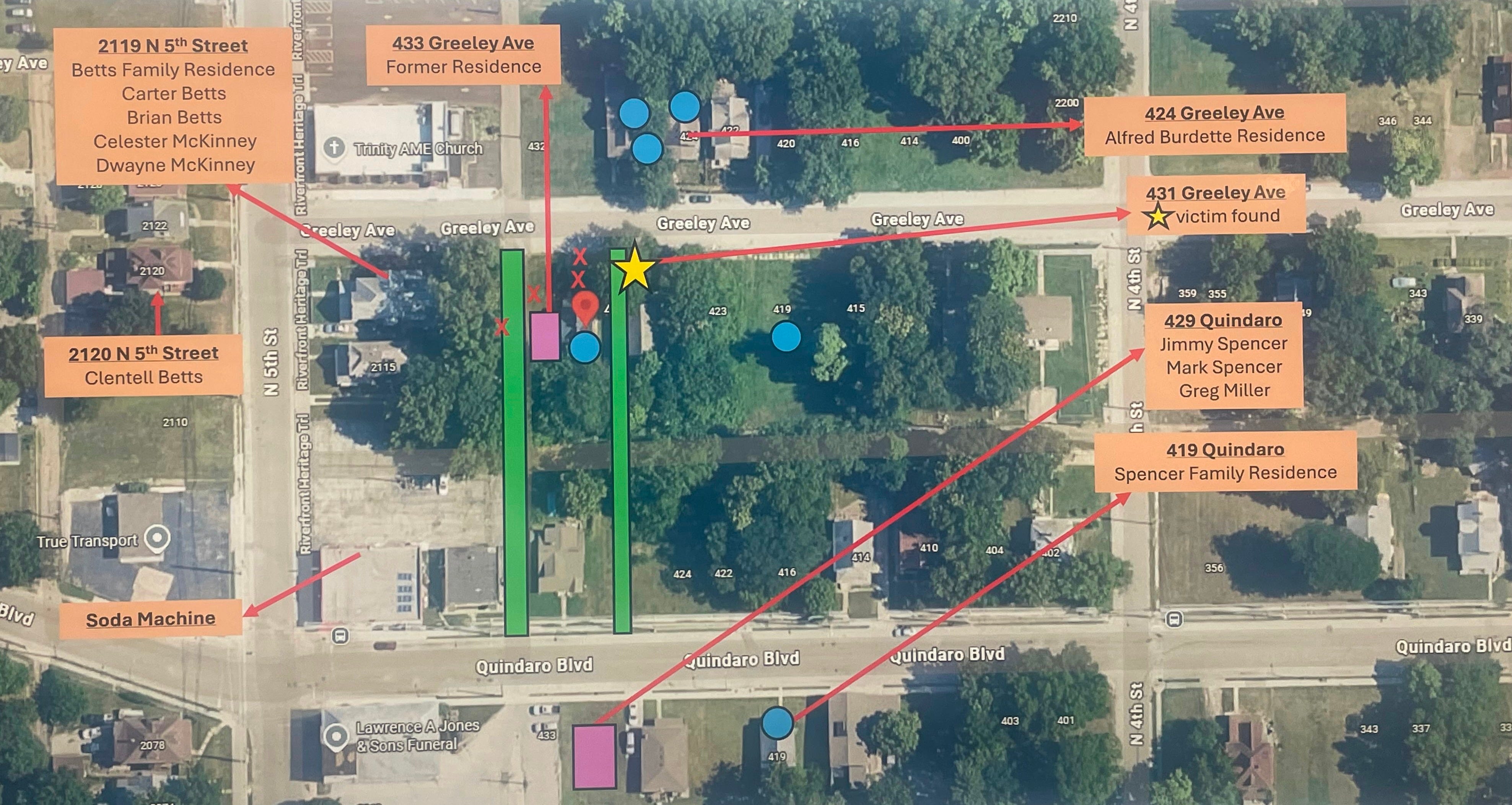
Before his parole three years ago, Celester McKinney spent 25 years in prison for the Kansas City, Kansas murder of a young neighbor, Gregory Miller, in 1997.
All that time and every day since, he has been fighting for the new trial that he believes will prove his innocence in the extremely gruesome killing of a 17-year-old kid. Miller was the nephew by marriage of KCKPD’s Roger Golubski, who killed himself last year on what would have been the first day of his first federal trial.
Miller’s death was not the result of a fight or an accident; he was shot 18 times. Two years before his death, he told police in one of the two murder investigations in which he’d been a witness that he lived with his two uncles in a drug house.
Yet the absence of any motive from any of the three men who went on trial for Miller’s 3 a.m. execution did not keep juries from convicting McKinney and his cousin Brian Betts. This was almost entirely on the strength of testimony from their uncle, Carter Betts, with whom they were living, very near where Miller was found bleeding into the snow. They worked for their uncle, too, in his janitorial business.
Carter Betts said his three nephews — Brian, Celester, and Celester’s brother Dwayne McKinney — had all confessed to him. But almost immediately and ever since, he’s said he was coerced — told by police that if he didn’t implicate his nephews, well then he himself would be charged. Dwayne McKinney was tried, too, but was acquitted.
So after all this time, is there anything more to learn? As it turns out, yes:
There are so many problems with the KCKPD investigation and with this case, which I first wrote about five years ago, and wrote about again on Tuesday. That’s because this week, there is a hearing on whether Celester McKinney had adequate representation at an earlier hearing, in 2022.
But it was only last month that investigators for the Midwest Innocence Project found that a 40-minute CSI video of the crime scene and the victim’s autopsy — evidence at McKinney’s trial — was missing 10 minutes right in the middle.
(If you are thinking about Richard Nixon’s loyal secretary Rose Mary Woods, who took responsibility for accidentally erasing a key portion of a Watergate tape, welcome to the party, seniors and history majors only.)
So maybe the footage from the crime scene and the autopsy had simply recorded over whatever had been on the videotape before it was digitalized? No.
A former FBI specialist in electronics forensics testified this week that the 10 minutes missing from the original recording — from 20:51 to 30:22 — had instead been taped over, and on the very day before McKinney’s trial began.
The ‘More Than a Game’ sports talk show shown on the tape was aired only on that day.
‘You would think I’d have some memory of it’
Wyandotte County Judge Dan Cahill prosecuted McKinney in 1998, and on Wednesday, Cahill testified that well yes, the tape would have been in his possession on that day.
Lathrop GPM’s Matthew Jacober, board president of the Midwest Innocence Project, asked Cahill if he could explain why the tape would cut from the crime scene to a fishing commercial and then to the victim’s autopsy.
“You would think I’d have some memory of it; I don’t,” Cahill answered. “I can’t explain. They taped over something and didn’t excise all of it? It’s bewildering to me.”
“You didn’t…?” Jacober asked.
“I did not,” Cahill said.
The judge seemed surprised when Jacober said that their expert had found that the sports talk show had been taped over the crime scene, rather than the other way around.
‘I didn’t intentionally do it’
“When I said I didn’t do it,” Cahill responded, “I didn’t intentionally do it.”
Jacober: “The program was shown on Oct. 4, 1998, and Les McKinney’s trial began on Oct. 5.”
Cahill: “OK, so I would assume that it was in my possession.”
Jacober: “So the over-record happened when it was in the possession of the state of Kansas?”
Cahill: “That’s a logical conclusion.”
Jacober: “Would it leave the possession of the state?”
Cahill: “No.”
“Given what appears to be the destruction of evidence,” Jacober then asked the judge, would he agree there’s a Youngblood claim to be made? Arizona v. Youngblood is a 1988 Supreme Court decision that said a defendant’s due process rights have been violated whenever evidence is destroyed in bad faith.
Cahill said he wasn’t familiar enough with that decision to answer.
‘Something on there they didn’t want anybody to see’
During a break, I asked Jacober to spell out for those in the cheap seats how he thought that 10 minutes went missing.
“We think there’s something on there they didn’t want anybody to see,” he said. “You don’t tape over something that helps you.”
I don’t know what happened to this tape, though anyone can see what it looks like.
But I do know that then and now, there is a great deal that Wyandotte County doesn’t want anybody to see.
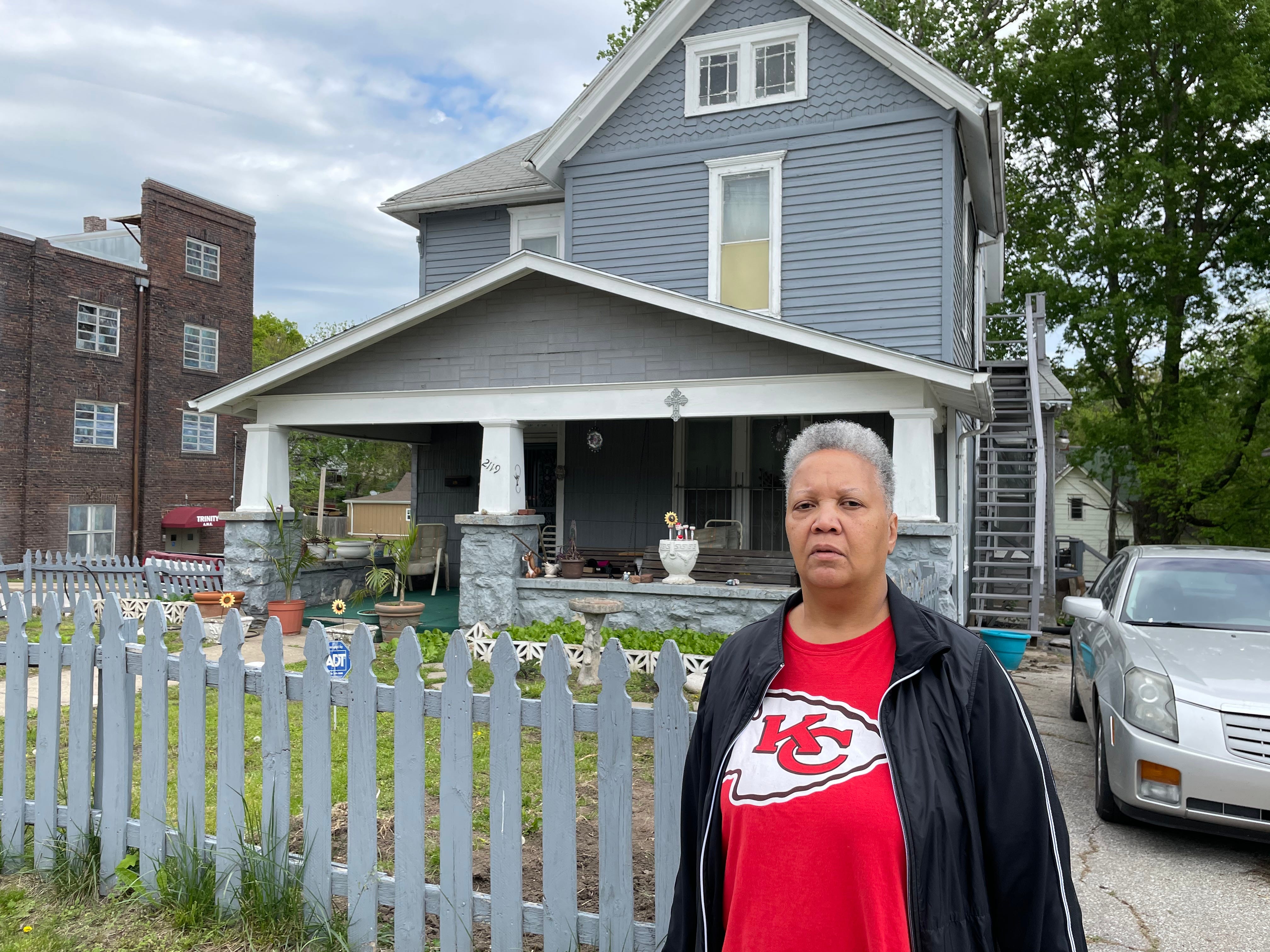
But is this a straightforward case? No.
Cahill called evidence against the accused “overwhelming, particularly on Dwayne.”
The evidence he’s talking about is a call from Patricia McCoy, the mother of Dwayne and Celester McKinney, to her brother Ray McKinney, who was then a KCKPD captain, allegedly saying Dwayne had called her. And she thought he’d said he killed somebody.
“They were trying to put words in my mouth,” she told me several years ago. “It was a nightmare.” And one that said had backfired after she said on the stand that he’d been scared but had said the opposite. He was after all found not guilty.
If that call is what made the case against Celester McKinney “overwhelming,” then it’s odd that Cahill didn’t use it in court. He said he didn’t because he feared that then Dwayne McKinney, who had been cleared and so couldn’t be retried, would then get on the stand and blow up his whole case.
Jacober reminded Cahill that at trial, he had told the jury that “this case is about one thing and one thing only and that’s Carter Betts.”
Because, Cahill said, since Dwayne had already been acquitted, so then “I’m left with Carter.”
“So the defendant against whom you had the best evidence is the one who got acquitted?’
“Yes,” the former prosecutor said.
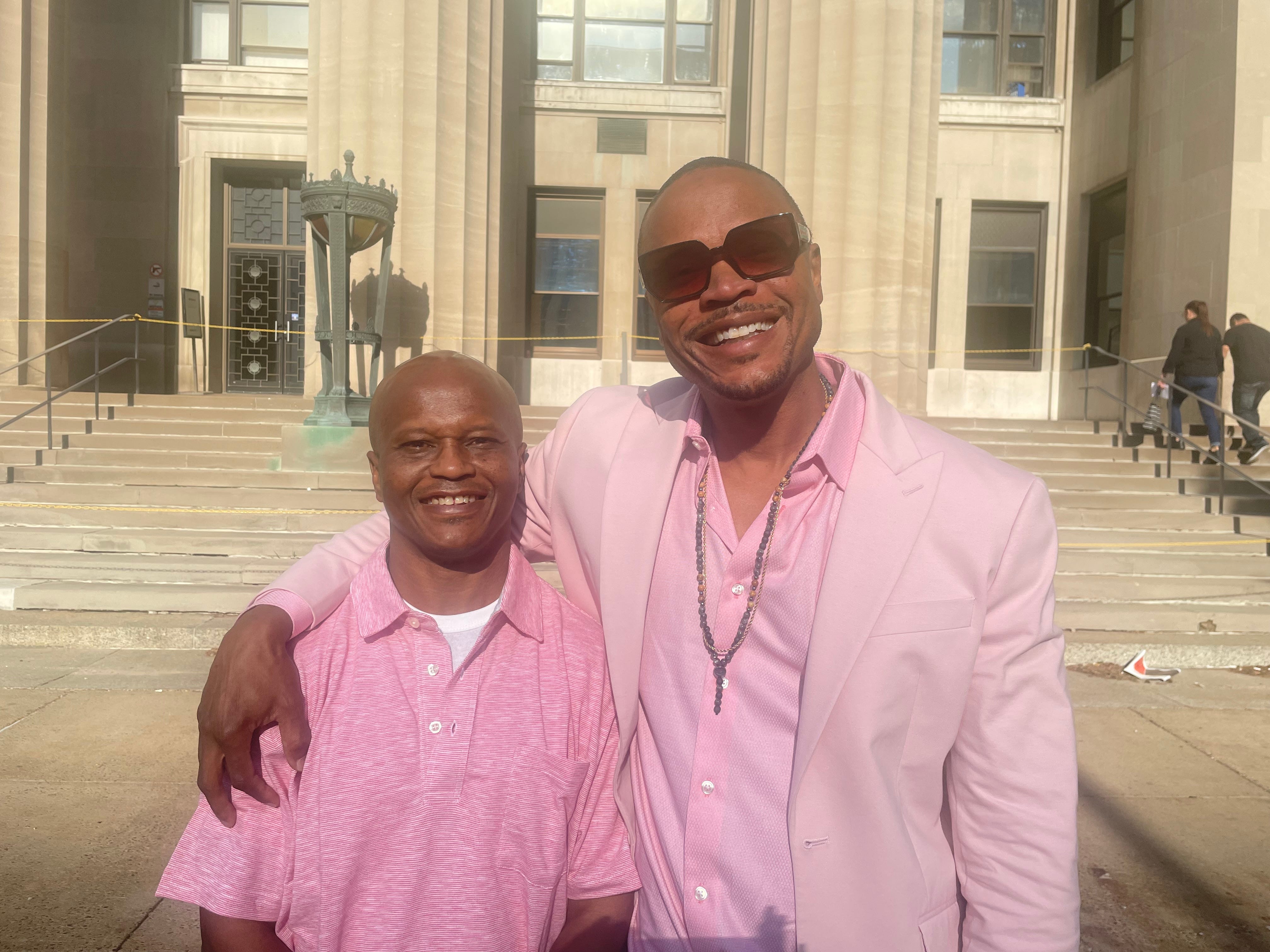
Bloody marvelous. You’re left with nothing, because there is nothing. Then Celester spends 25 years in a cage and is still trying to recover.
The motive only half-offered for this really gangland attack was that it was payback for a burglary of the back apartment of the Betts family home, where Brian Betts was living with his girlfriend and his newborn baby.
Only, there was no such burglary. And Betts was barely speaking to his cousins Dwayne and Celester at the time of Miller’s death.
When I interviewed Celester McKinney when he was still in prison, he said that since he was 27 when Miller died, he’d barely known his 17-year-old neighbor. “He was a baby,” he said.
Someone did not allow him to grow up, but I don’t think it was McKinney. And is it too much to hope that our system might at some point be man enough to recognize that?
Cahill, now the judge, was the prosecutor in 1998 and the videotape was in his possession. Where did he store it? Was it next to his lunch in his locker at the courthouse? Somebody knew the combination to his padlock.